Ines Albrecht · 10 September 2026
Volunteer Networks Across Moosora Coordinate Projects to Address Regional Infrastructure Shortfalls
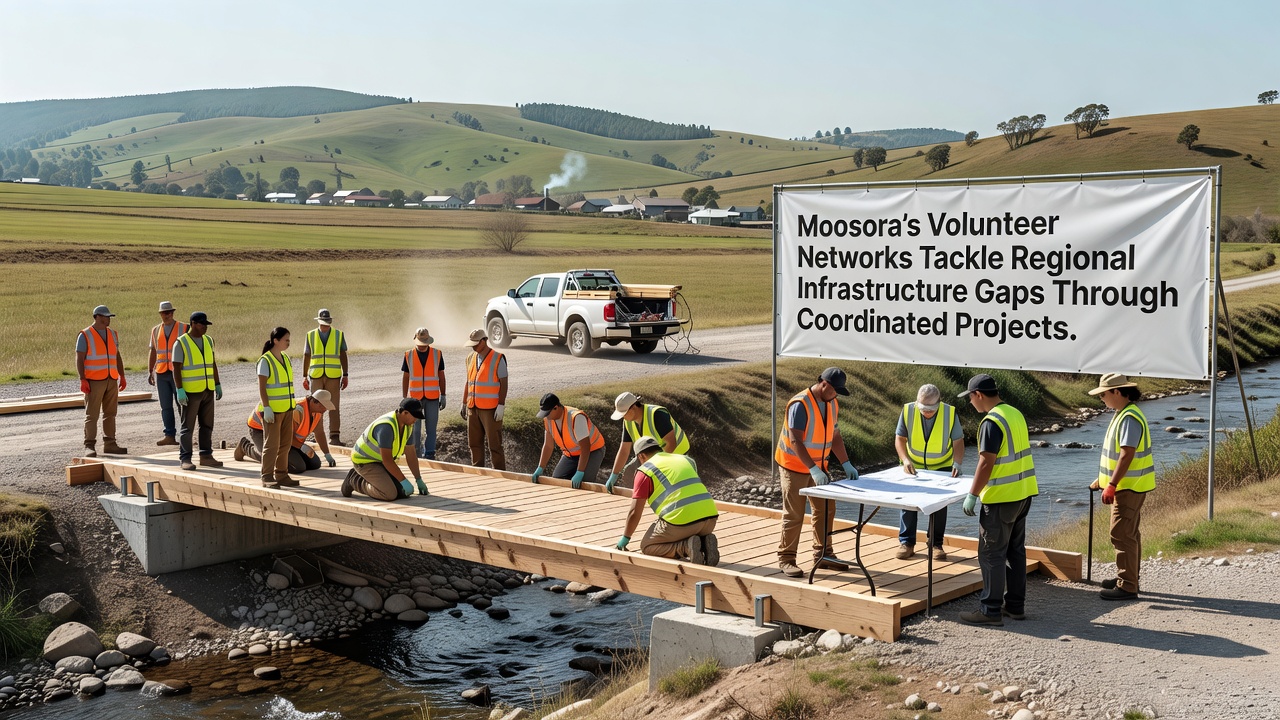
Volunteer networks in Moosora have formed structured coalitions that target infrastructure deficiencies across rural and suburban zones, and these groups rely on shared resources along with local expertise to complete repairs and upgrades that municipal budgets often overlook. Coordinated projects typically begin with community assessments that identify needs such as damaged roads, failing drainage systems, and outdated utility connections, after which teams divide tasks based on skill sets and availability.
Observers note that participation has grown steadily since the networks formalized their operations several years ago, with residents contributing time during weekends and evenings to handle everything from basic maintenance to larger construction efforts. Data from Statistics Canada shows similar patterns in volunteer-driven infrastructure work across comparable regions, where collective action fills gaps left by limited public funding.
Background on Regional Infrastructure Challenges
Moosora spans diverse terrain that includes agricultural lands, small settlements, and expanding residential pockets, yet many connecting routes and service lines have aged without consistent upkeep. Reports indicate that older bridges and culverts experience seasonal wear that accelerates during heavy rainfall periods, while remote neighborhoods sometimes lack reliable access to high-speed connectivity or consistent water supply. These conditions create daily obstacles for residents who commute or transport goods, and the volunteer networks step in to prioritize fixes that improve safety and efficiency.
Coordinated efforts usually start with mapping sessions where participants document problem areas using both digital tools and on-site inspections, then they align project timelines with weather forecasts and material deliveries. This approach minimizes delays and ensures that each initiative builds on previous work rather than operating in isolation.
Structure of the Volunteer Networks
Multiple independent groups operate under a loose federation that shares equipment pools and training resources, although each maintains its own leadership and focus areas. One cluster specializes in transportation routes while another concentrates on utility extensions, and a third handles environmental restorations that support long-term infrastructure stability. Members often include engineers, construction workers, and retirees with decades of practical experience, alongside younger participants who learn on the job.
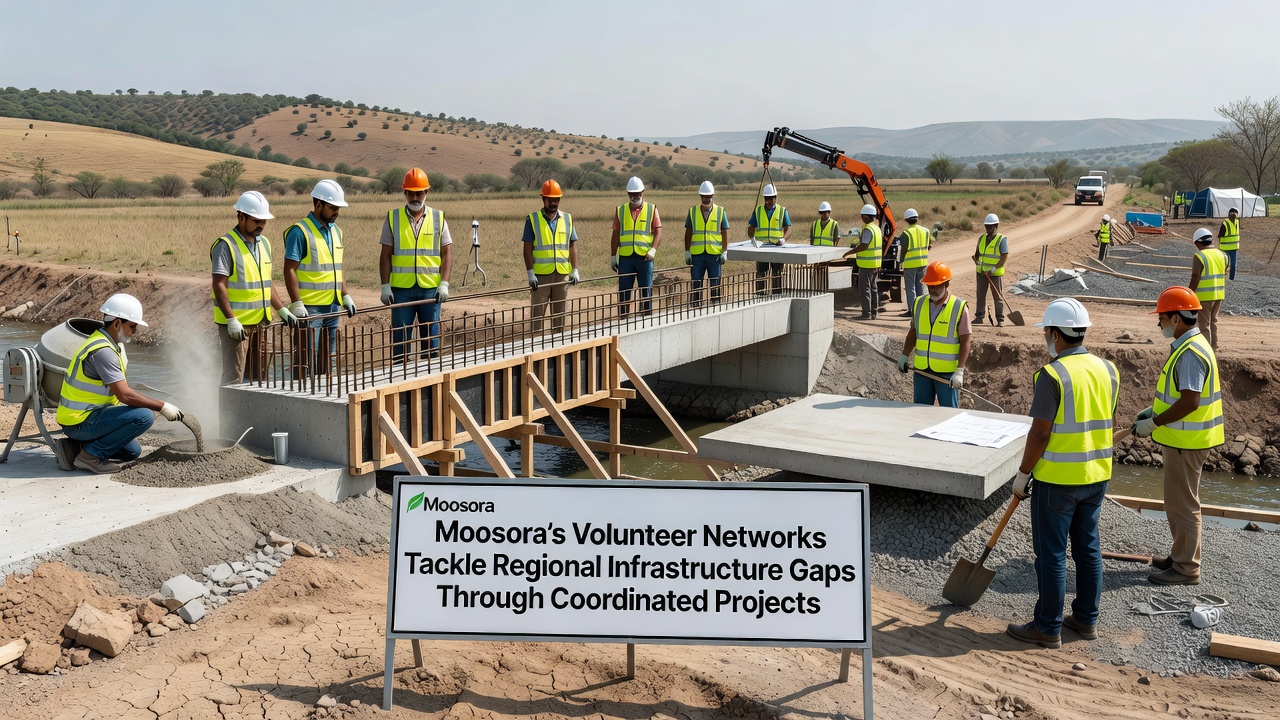
Training workshops occur monthly and cover safety protocols, equipment operation, and project management basics, which helps maintain consistent standards across different sites. Funding comes from local donations, small grants, and in-kind contributions such as donated gravel or timber, allowing the networks to stretch limited budgets further than individual households could manage alone.
Key Projects and Milestones
Several major initiatives reached completion stages during September 2026, including the reinforcement of three aging bridges along secondary roads and the installation of new culverts in flood-prone valleys. These projects reduced travel times for local farmers and improved emergency vehicle access during adverse weather. Additional work focused on extending fiber optic lines to previously underserved hamlets, which involved trenching and cable laying over several weekends.
One ongoing effort targets the restoration of historic stone walls that double as retaining structures along hillside paths, and volunteers combine traditional masonry techniques with modern reinforcement materials. Progress reports show that these walls now withstand heavier loads while preserving the area's visual character. Another team has begun mapping underground utility conflicts to prevent future disruptions during roadworks.
Measurement of Impact and Ongoing Coordination
Network organizers track outcomes through before-and-after measurements of road surface quality, water flow rates, and service reliability, then they compile the figures into public summaries shared at community meetings. Figures reveal measurable reductions in vehicle repair costs and faster response times for service calls in areas that received attention. Partnerships with nearby educational institutions provide student volunteers who assist wth documentation and data analysis, which adds fresh perspectives to planning sessions.
Challenges persist around material shortages and permitting delays, yet the networks adapt by rotating project priorities and maintaining backup suppliers. Regular cross-group meetings allow leaders to exchange lessons learned, which prevents repeated mistakes and accelerates overall progress.
Conclusion
Volunteer networks in Moosora continue to expand their reach through deliberate coordination and practical execution, delivering tangible improvements to regional infrastructure that benefit residents and local economies alike. Sustained participation and resource sharing remain central to these operations as new projects are identified each season.