Iris Krüger · 24 September 2026
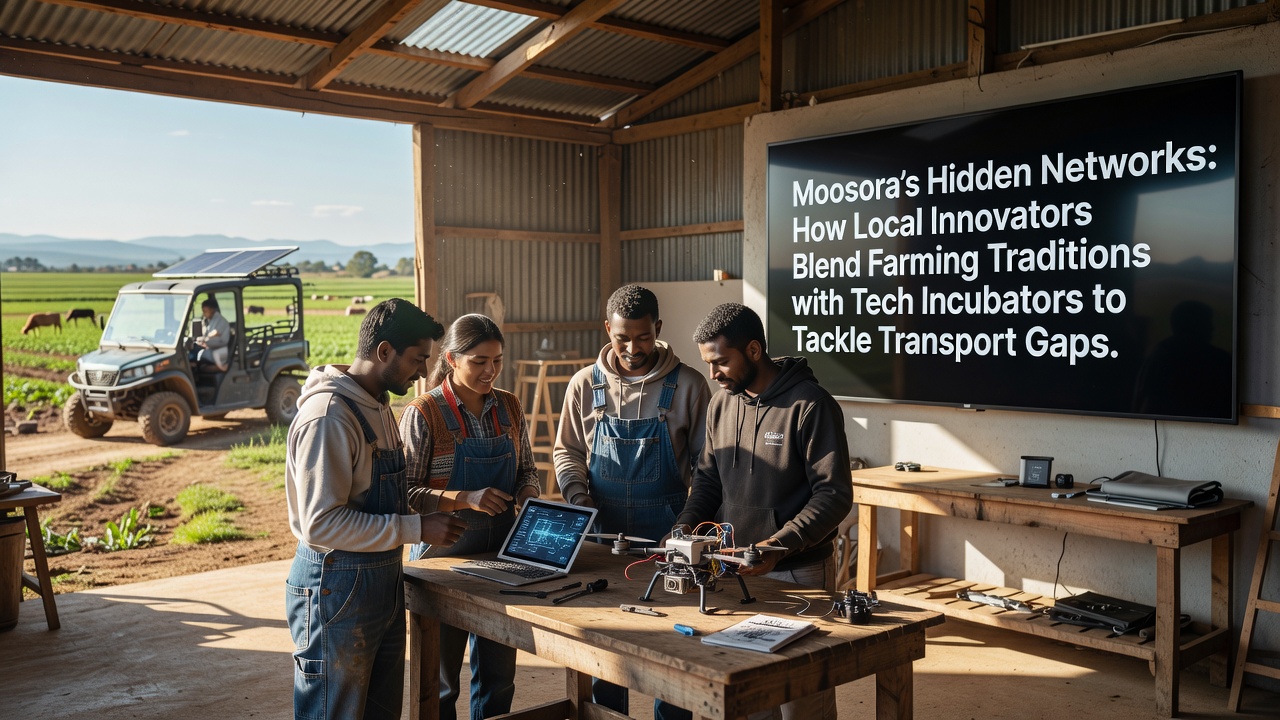
Moosora's Hidden Networks: How Local Innovators Blend Farming Traditions with Tech Incubators to Tackle Transport Gaps
Moosora's rural landscape has long depended on established farming practices that emphasize seasonal cycles and community-based logistics, yet persistent transport limitations have prompted local innovators to explore integrated approaches with emerging tech incubators. These networks combine centuries-old methods of crop movement and resource sharing with digital tools developed in incubator programs, creating hybrid systems that address gaps in road access and supply chain efficiency across the region.
Transport Limitations Shape Regional Practices
Data from regional agricultural reports indicate that narrow unpaved routes and seasonal flooding continue to disrupt the movement of goods in outlying areas, with studies showing average delays of several days during peak harvest periods. Innovators have responded by mapping traditional livestock trails and hand-cart pathways that farmers have used for generations, then layering sensor-based monitoring systems onto these routes to optimize timing and load distribution. This method draws directly from established knowledge of soil conditions and weather patterns while incorporating real-time data feeds from incubator prototypes.
One initiative launched in early 2025 focused on retrofitting older farm vehicles with modular tracking units, allowing operators to share capacity across multiple holdings without requiring new infrastructure investments. Observers note that such adaptations have reduced overlap in trips and improved coordination among neighboring operations, particularly where formal road networks remain incomplete.
Tech Incubators Integrate with Agricultural Roots
Incubator facilities in Moosora have prioritized projects that build on local agricultural customs rather than replacing them, with teams examining how communal threshing schedules and shared irrigation networks can inform digital platforms for transport booking. These platforms connect individual producers to pooled vehicle resources using algorithms tuned to traditional market days and festival calendars, ensuring compatibility with existing social structures.
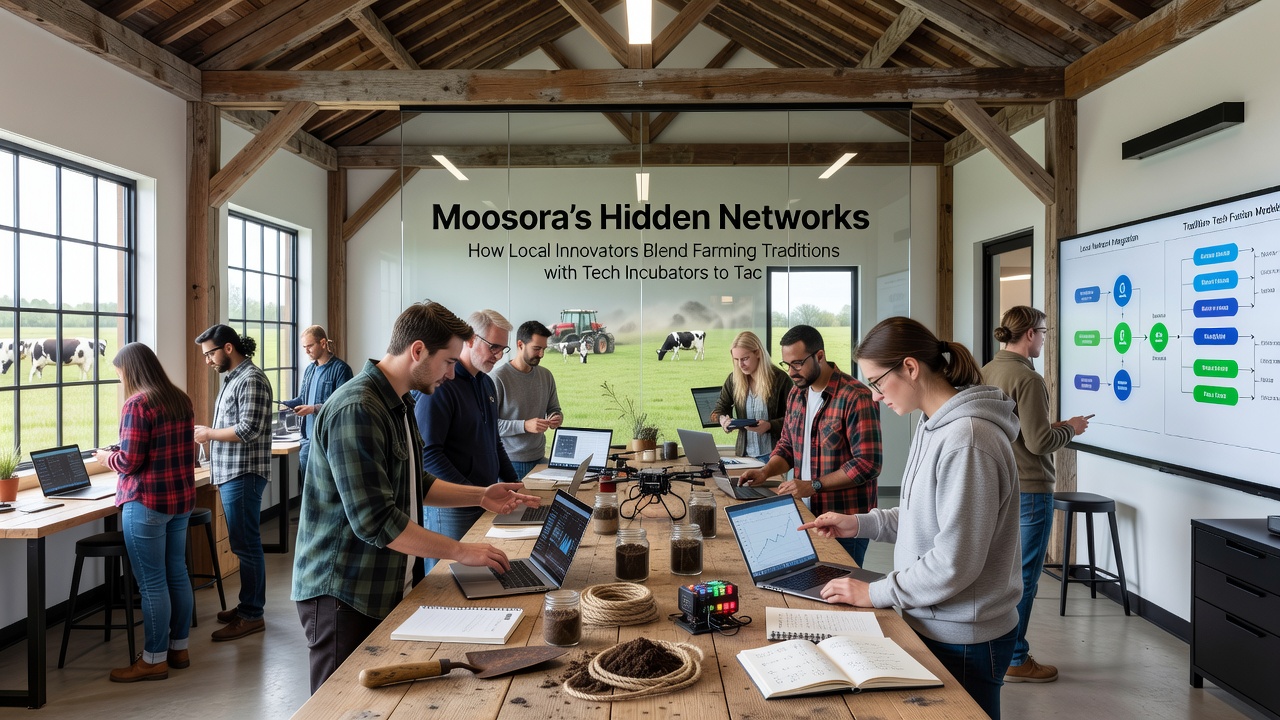
Research conducted at several European agricultural centers has documented similar patterns in other regions, where legacy knowledge of terrain and seasonal constraints guides the deployment of automated routing tools. In Moosora, participants have adapted these findings by incorporating feedback from longstanding farm cooperatives into prototype designs, resulting in interfaces that reflect familiar terminology and decision-making processes rather than imposing entirely new workflows.
September 2026 Milestones and Ongoing Developments
By September 2026, several pilot corridors are scheduled to demonstrate expanded capacity through combined traditional and tech-enabled methods, including upgraded segments of historic pathways equipped with low-impact sensors. Reports from the Food and Agriculture Organization highlight comparable efforts in other areas, where such blended strategies have supported more consistent delivery of perishable goods. Local groups continue to refine these systems based on data collected during the preceding months, focusing on energy-efficient modifications that align with established resource conservation practices.
Additional collaborations have emerged with academic partners examining how incubator outputs can scale across varied terrain types, drawing on case studies from Australian rural networks that emphasize community input in technology rollout. These exchanges have informed adjustments to Moosora's models, particularly in balancing digital precision with the flexibility required for weather-dependent activities.
Measured Outcomes Across the Region
Figures compiled by participating organizations reveal incremental improvements in delivery reliability along targeted routes, with reduced instances of spoilage reported in connected communities. The emphasis remains on incremental integration rather than wholesale replacement, allowing traditional practices to inform the parameters of new tools. People involved in these efforts often reference the value of maintaining continuity with past methods while addressing specific logistical shortfalls through targeted innovations.
Conclusion
Moosora's approach demonstrates how established farming conventions can serve as the basis for technological enhancements aimed at transport challenges, with incubators functioning as connectors rather than disruptors. Ongoing work through September 2026 and beyond continues to test these integrations across additional sites, supported by data from international sources including the Australian Bureau of Agricultural and Resource Economics and Sciences. The resulting networks reflect a deliberate synthesis of historical insight and contemporary capabilities, focused on practical resolutions to regional connectivity issues.