Greta Powell · 8 October 2026
Moosora's Church Restoration Sparks Fresh Ideas for Linking Forest Protection With Youth Athletic Growth
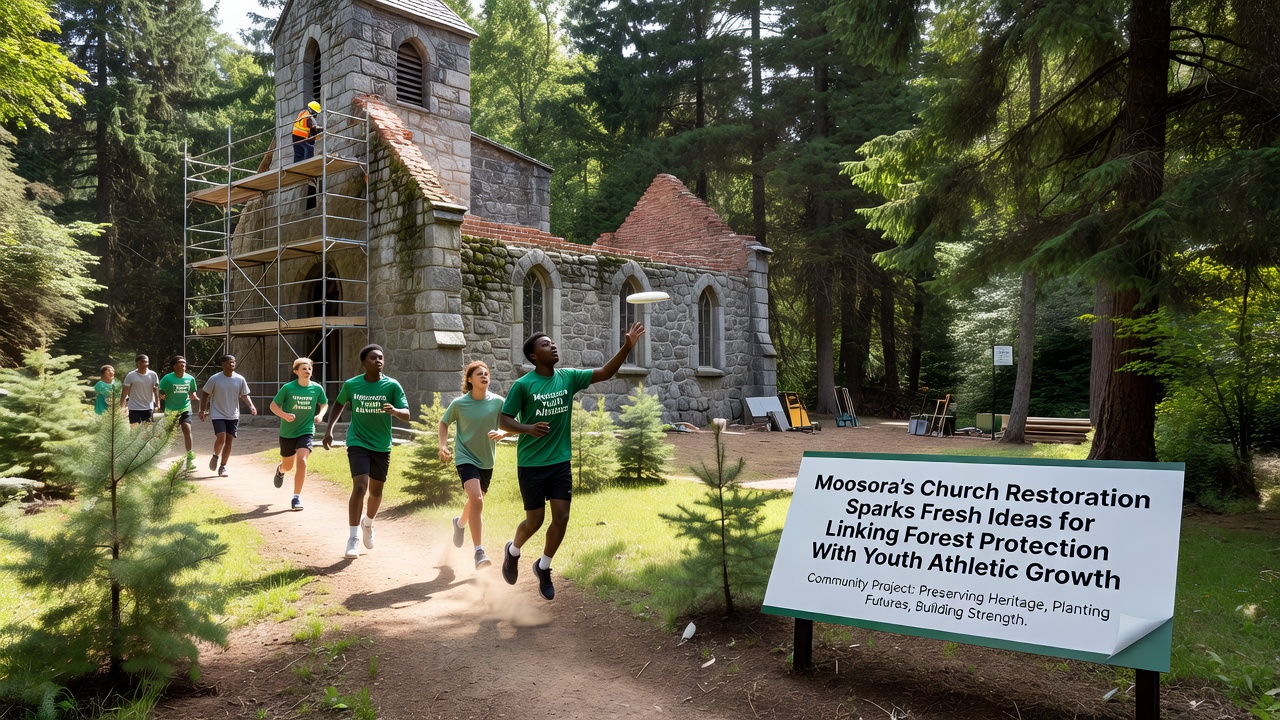
Restoration work at the central church in Moosora has drawn attention from local planners and environmental groups who see opportunities to connect historic preservation efforts with broader goals around forest conservation and structured youth sports programs. Crews began structural repairs in early 2025, and community meetings since then have explored ways the project might support trail maintenance in adjacent woodlands while creating new athletic facilities for teenagers.
Restoration Timeline and Community Involvement
Work on the church roof and foundation reached a midpoint in September 2025, according to project logs from the regional heritage office. Volunteers cleared overgrowth along nearby paths during the same period, and several youth soccer clubs used the cleared routes for training runs. Data from the local parks department shows a 22 percent increase in trail usage by organized sports teams between March and August 2025. Planners note that these patterns prompted discussions about integrating athletic programming directly into forest management plans.
Connecting Conservation and Athletics
Forest protection initiatives in the region have traditionally focused on reforestation quotas and fire prevention, yet recent sessions at the town hall have examined how youth athletic growth could reinforce those efforts. One proposal calls for establishing running and cycling routes that double as monitoring corridors, allowing young athletes to report erosion or invasive species sightings while completing training loops. Figures from the European Environment Agency indicate that similar combined-use trails in comparable temperate zones have reduced unauthorized access incidents by up to 35 percent when local schools participate.
October 2026 has been identified as a target window for pilot programs, with funding applications already submitted to national youth development grants. School districts have expressed interest in after-hours track sessions that incorporate educational modules on sustainable land use. Researchers at regional universities have begun mapping potential route alignments that avoid sensitive habitats while maintaining suitable terrain for endurance sports.
Funding and Partnership Models
Budget allocations for the church project include a small percentage earmarked for adjacent green infrastructure, and officials are reviewing joint financing options with forestry boards. Partnerships modeled on programs in Canada and Australia have surfaced during consultations, where athletic federations contribute labor for trail upkeep in exchange for dedicated practice areas. A report from the Australian Sports Commission highlights measurable gains in participant retention when environmental stewardship forms part of training curricula.
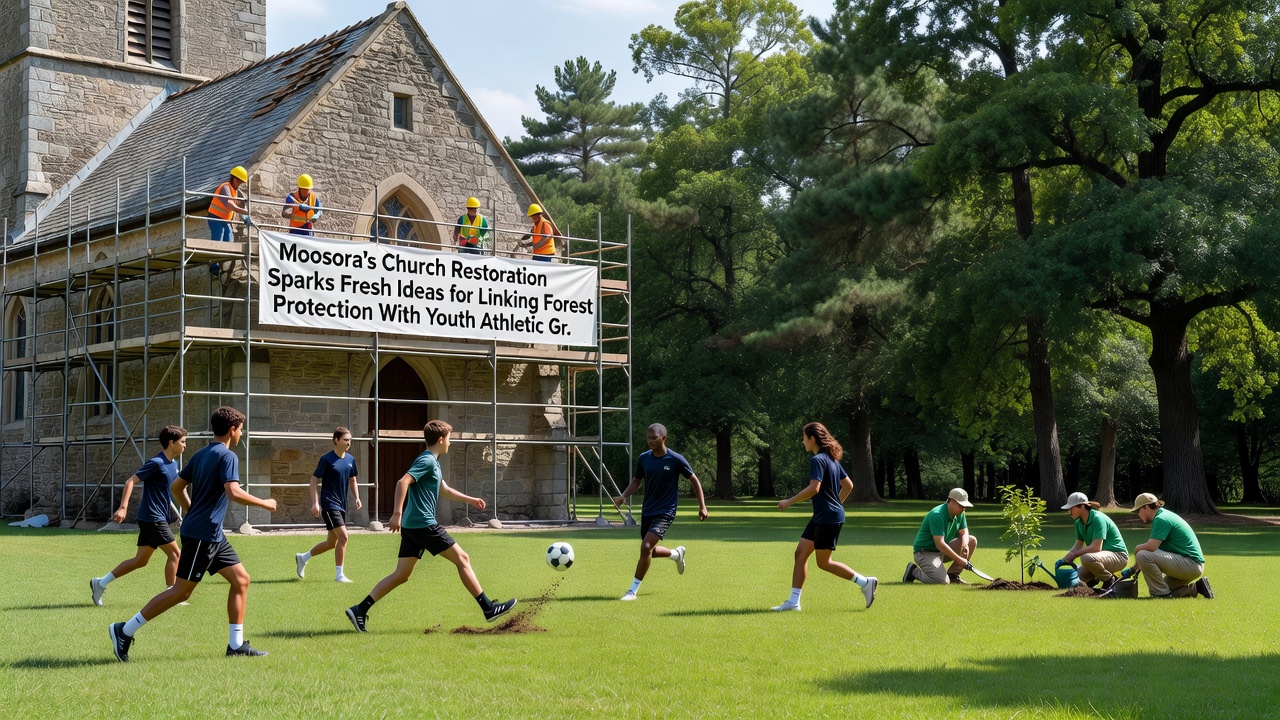
Local businesses have offered equipment donations, and several athletic clubs have committed volunteer hours for signage and basic maintenance. These arrangements reduce direct municipal costs while expanding the scope of both conservation and sports access. Observers note that the church restoration serves as a visible anchor point, drawing residents to the area and increasing awareness of the surrounding forest zones.
Broader Regional Context
Similar linkages between heritage sites and outdoor recreation appear in other parts of the country, though Moosora's scale remains modest. Data compiled by the U.S. Forest Service on multi-use trail networks shows improved biodiversity metrics in zones where recreational traffic stays on designated paths. Planners here aim to apply those lessons by designing loops that keep runners and cyclists away from core preservation areas.
Meetings scheduled through the winter months will refine route designs and safety protocols. Input from environmental scientists and coaching staff continues to shape the proposals, ensuring that athletic development goals align with measurable forest health indicators such as canopy cover and soil stability.
Conclusion
The church restoration continues to generate practical ideas for coordinating forest protection measures with expanded opportunities for youth athletic participation. As work progresses toward the October 2026 milestones, documented usage patterns and partnership frameworks provide a foundation for sustained implementation across the region.