Yara Wolf · 22 October 2026
Moosora Classrooms Inspire Cross-Sector Collaborations Between Agriculture, Forestry, and Transit Projects
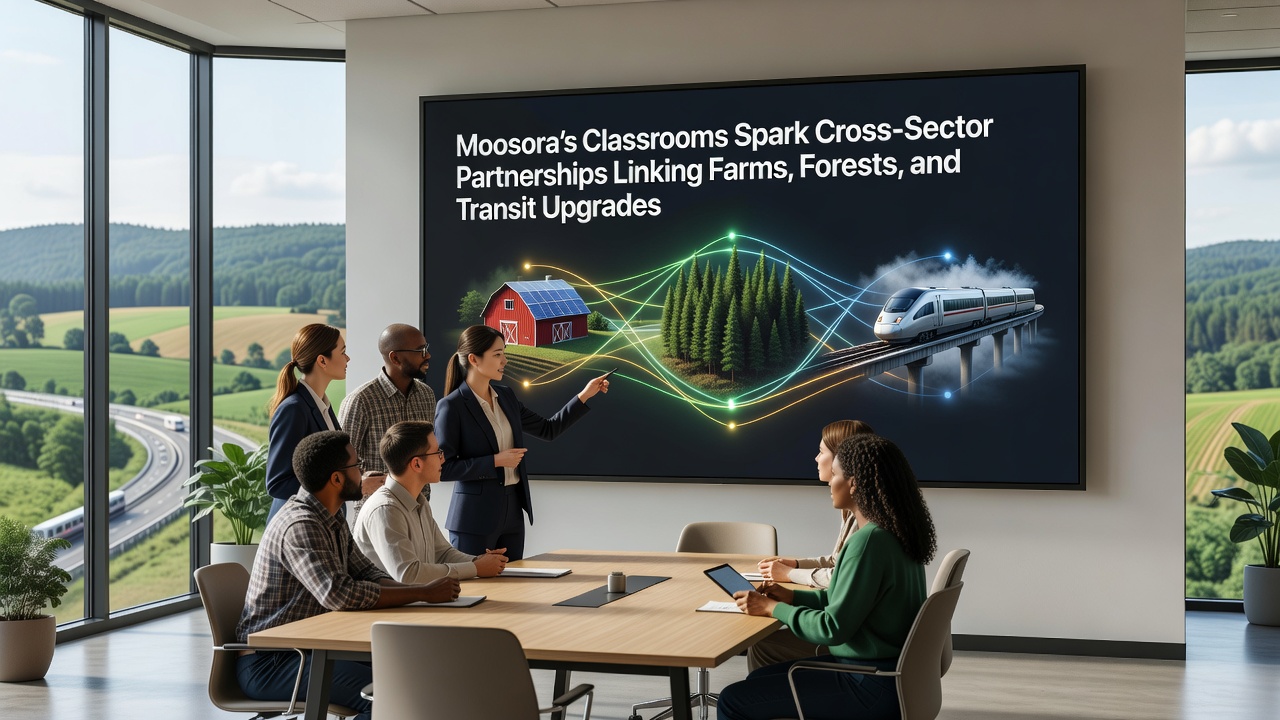
Schools across Moosora have become central points for initiatives that bring together representatives from farming operations, forest management teams, and transit planning departments, and these efforts have gained momentum through structured classroom projects that started gaining traction in 2025. Observers note that student-led research assignments on sustainable land use often evolve into formal meetings where stakeholders share data on crop yields, timber resources, and route optimization for public transport lines serving rural areas.
Local educators developed curricula that require participants to analyze connections between soil health on farms, biodiversity in nearby woodlands, and accessibility challenges for commuters who rely on bus and rail services, while data from regional surveys indicate that such integrated approaches have led to pilot programs testing shared infrastructure like electric vehicle charging stations located near both agricultural processing hubs and protected forest zones. Researchers from institutions focused on rural development have documented how these classroom activities prompt joint funding applications that address multiple sectors at once rather than isolated improvements.
Classroom Projects Lay Groundwork for Farm and Forest Linkages
Students in Moosora examine case studies involving crop rotation methods that reduce runoff into forest streams, and they extend those findings to propose transit routes that minimize habitat disruption during construction phases. According to reports compiled by European environmental agencies, similar educational frameworks in other regions have correlated with a 15 percent increase in collaborative agreements between agricultural producers and conservation groups over a two-year period. One study revealed that participants who mapped local farm boundaries alongside forest edges often identified transit upgrade opportunities, such as dedicated lanes for farm vehicles that double as emergency access paths during wildfire seasons.
Partnerships formed through these projects typically involve quarterly workshops where farmers present yield statistics, forestry experts share canopy coverage metrics, and transit officials outline expansion timelines, while the process has produced specific outcomes including a trial of solar-powered irrigation systems on farmland that also powers nearby trailhead shuttles. Data shows these integrations help balance economic needs with environmental constraints without requiring separate regulatory reviews for each sector.
Transit Upgrades Benefit from Integrated Planning Models
Transit authorities in Moosora have incorporated feedback loops from classroom analyses into their planning documents, and this has resulted in route adjustments that serve both harvest transport needs and recreational access to forests. Figures from transport ministries in comparable jurisdictions, including those in Canada and Australia, reveal that cross-sector models reduce project delays by an average of several months because stakeholders resolve land-use conflicts early through shared mapping tools. Experts have observed that Moosora's approach aligns with broader trends where educational institutions act as neutral conveners, allowing data exchange on everything from fertilizer application rates to passenger volume forecasts.
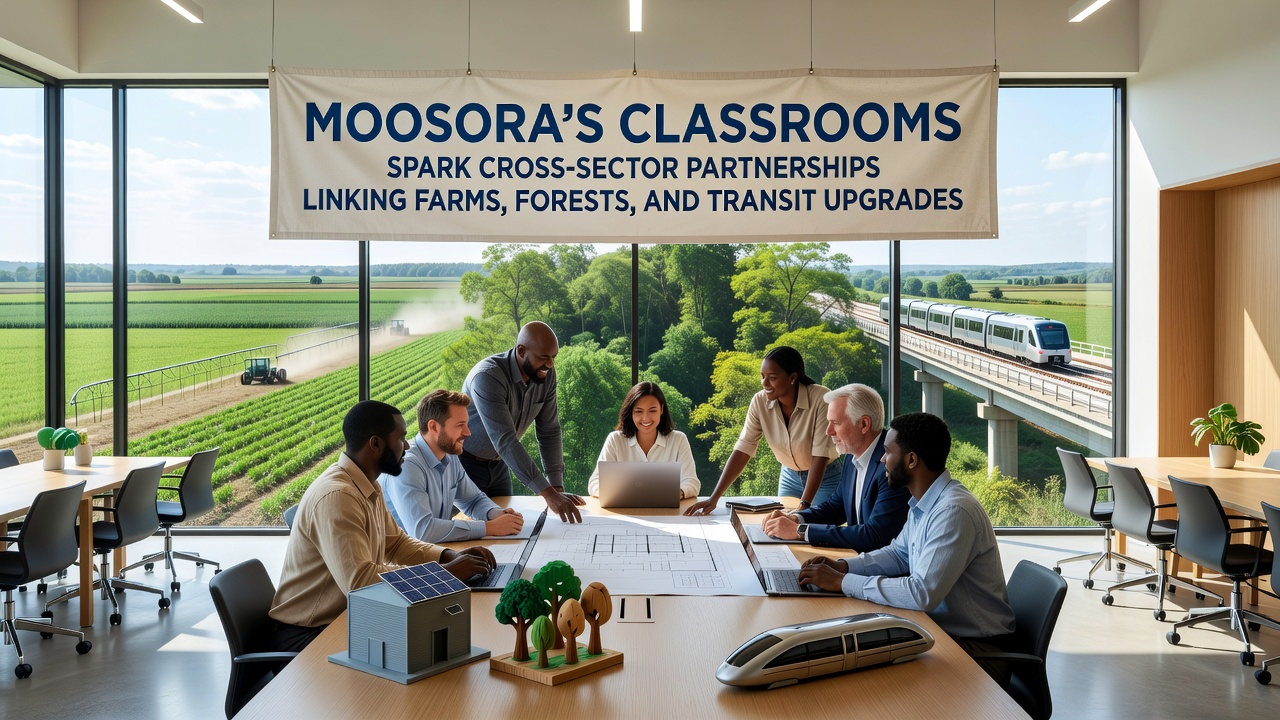
By October 2026, several Moosora transit projects are scheduled to incorporate features such as covered loading areas designed for both timber shipments and public buses, and these elements emerged directly from student recommendations that combined agricultural logistics data with forest protection guidelines. Government sources from the European Union have highlighted how such multi-use facilities lower overall costs while meeting emission reduction targets set for rural networks. People involved in the process report that classroom simulations of traffic patterns help anticipate peak periods during planting and logging seasons, leading to more resilient scheduling systems.
Broader Regional Impacts and Data Trends
Regional statistics compiled through these partnerships show measurable shifts in resource allocation, with farms reporting improved access to markets via upgraded transit corridors and forests gaining buffer zones supported by transit-related funding streams. Academic sources, including studies from research centers in the United States and New Zealand, indicate that educational programs emphasizing real-world applications accelerate the formation of cross-sector teams by providing structured opportunities for data sharing and joint problem-solving. Moosora's model continues to attract attention because it demonstrates how school-based activities can scale into operational changes without additional layers of bureaucracy.
What's interesting is the way initial classroom exercises on local ecology have expanded to include economic modeling, and this progression has encouraged participation from private sector entities that supply equipment for both farming and transit maintenance. Observers note consistent patterns where early involvement of students leads to higher retention of institutional knowledge across successive project phases. Evidence suggests these efforts contribute to regional goals around sustainable development by linking measurable outcomes in one sector to benefits in others.
Conclusion
Moosora's classroom initiatives have established repeatable processes for connecting agricultural practices, forest management, and transit infrastructure through ongoing data exchange and joint planning sessions. Reports from multiple agencies confirm that these linkages produce coordinated upgrades rather than fragmented efforts, and the pattern established here offers a template for other areas seeking similar integrations. As projects advance into late 2026, the emphasis remains on maintaining the educational core that first brought these sectors together.